News

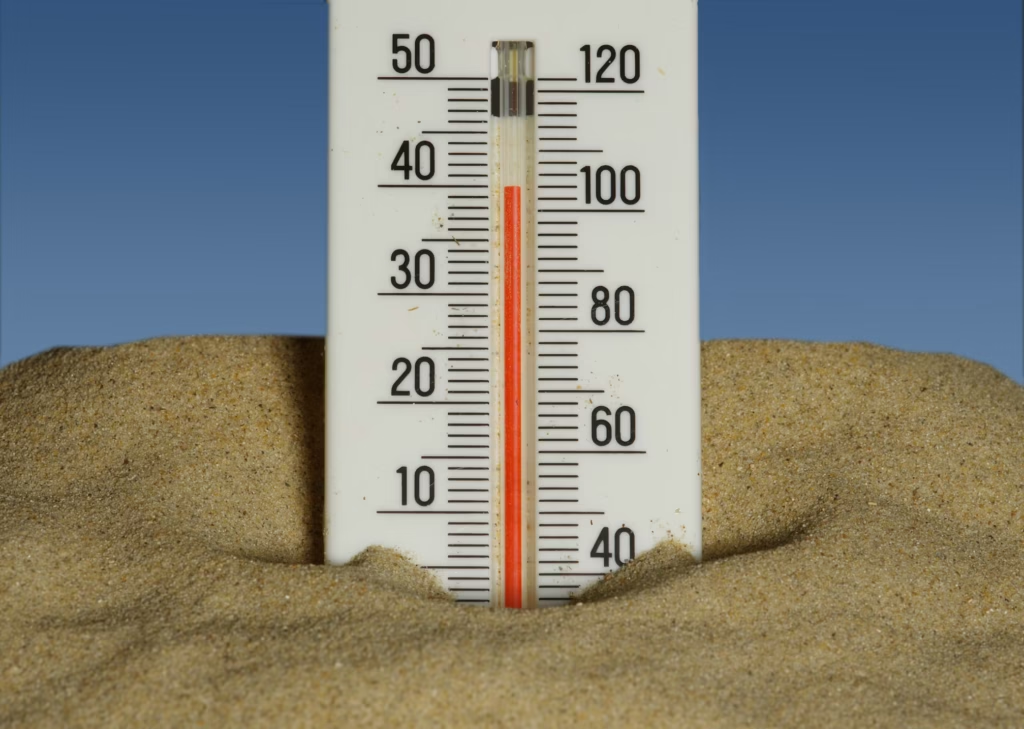
For many individuals with sensory needs, hot weather is more than an inconvenience. It can add another layer of uncomfortable sensory experiences to everyday life, from sticky skin and restrictive ...

For decades, research and diagnostic criteria for autism has been predominantly built around the male profile. This has resulted in women and girls being misdiagnosed, misrepresented or left to understand ...

Dyspraxia (also known as Developmental Coordination Disorder (DCD)) is a neurodevelopmental condition affecting approximately 6% of the population. This disorder affects physical coordination, movement and motor planning. Dyspraxia isn’t clumsiness. ...

Stimming (short for self‑stimulatory behaviour) is something many neurodivergent people do every day, often without thinking about it. It can look like rocking, tapping, pacing, humming, spinning objects, repeating words, ...

Neurodiversity week falls on the third week of March and is a worldwide celebration focusing on understanding the differences in the way in which we all think and learn. Neurodiversity ...

Across the UK and internationally, waiting lists for public diagnostic pathways can be very long. Many people turn to private services to access: Faster appointments Specialist clinicians with expertise in ...

Significant signs of Dyslexia

Thank you for completing the children and young people’s Dyslexia questionnaire.

Calculating…

You may wish to seek a professional diagnostic assessment. If you would like our help with this, please get in touch.

Possible signs of Dyslexia

Thank you for completing the children and young people’s Dyslexia questionnaire.

Calculating…

You may wish to seek a professional diagnostic assessment. If you would like our help with this, please get in touch.

Moderate signs of Dyslexia

Thank you for completing the children and young people’s Dyslexia questionnaire.

Calculating…

You may wish to seek a professional diagnostic assessment. If you would like our help with this, please get in touch.

Few signs of Dyslexia

Thank you for completing the children and young people’s Dyslexia questionnaire.

Calculating…

This test is not a diagnosis and should not be used as a substitute for a comprehensive evaluation conducted by a qualified professional. You may want to explore further assessment if you think that your child might have Dyslexia. If you would like our help with this, please get in touch.

Significant signs of Dyslexia

Thank you for completing the Dyslexia questionnaire.

Calculating…

You may wish to seek a professional diagnostic assessment. If you would like our help with this, please get in touch.

Moderate signs of Dyslexia

Thank you for completing the Dyslexia questionnaire.

Calculating…

You may wish to seek a professional diagnostic assessment. If you would like our help with this, please get in touch.

Few signs of Dyslexia

Thank you for completing the Dyslexia questionnaire.

Calculating…

This test is not a diagnosis and should not be used as a substitute for a comprehensive evaluation conducted by a qualified professional. You may want to explore further assessment if you think that you might have Dyslexia. If you would like our help with this, please get in touch.

Special Offer

10% off

our initial consultations and assessments